
Myopia and hyperopia are 2 of the most common reasons people need glasses, and their names sound close enough that they’re easy to mix up. Both are refractive errors, which means your eye doesn’t bend light onto the retina at the back of the eye the way it should. Myopia can also change as you get older, so it’s worth knowing which one you’re dealing with.
Myopia makes faraway objects look blurry, while hyperopia makes it harder to see things up close. A comprehensive eye exam can show you which one affects your eyes and by how much.
How Myopia and Hyperopia Affect the Way Your Eyes Focus
Your eye needs to focus light directly on the retina to give you a sharp image. With myopia, the eyeball is usually a little too long or the cornea curves too much, so light lands in front of the retina.
Hyperopia works in the opposite direction. The eye is often a bit too short, so light focuses behind the retina, and your eye has to work harder to focus. Many people with mild hyperopia don’t even know they have it, because their eyes make up the difference on their own.
Signs and Symptoms to Watch For
The clues show up in everyday moments, and children may not say anything at all. Watching how you or your family members look at the world can help you notice a pattern.
Common Signs of Myopia
Distance vision usually gives the first clue. Watch for a few of these in yourself or your kids:
- Road signs look blurry until you get closer.
- You squint or frown to see faraway objects.
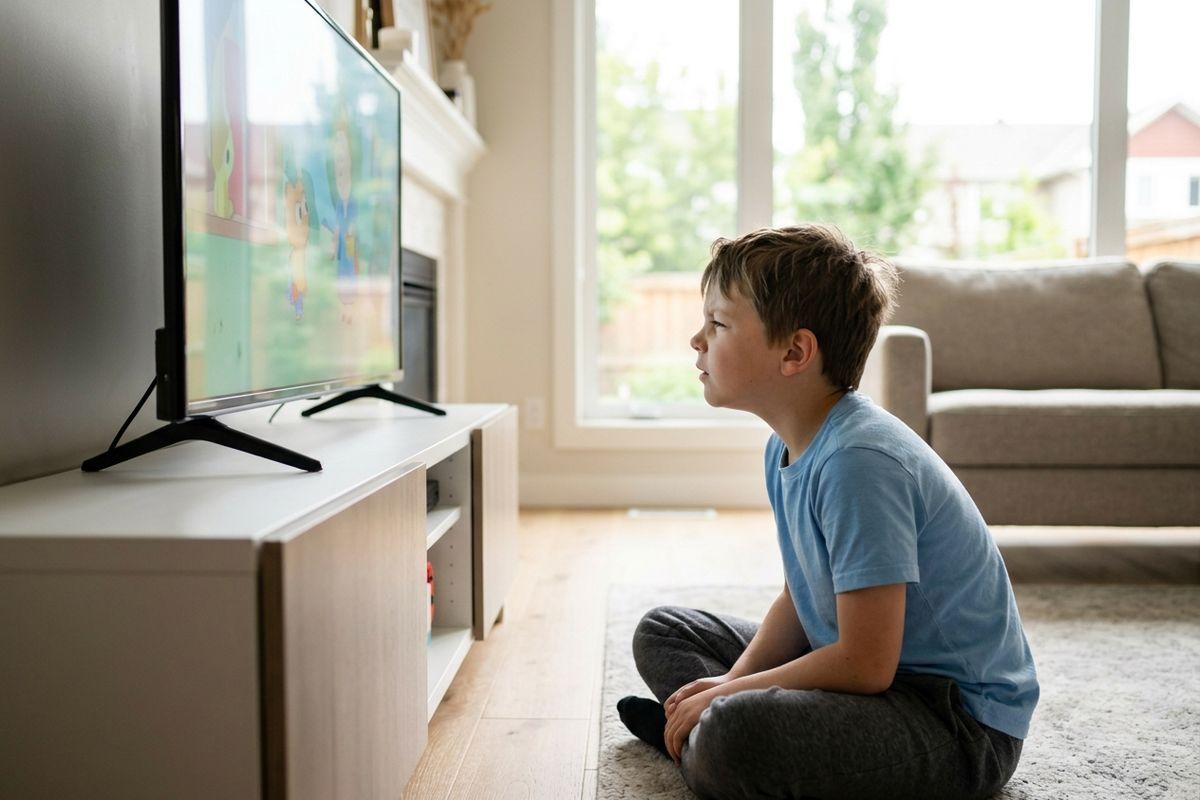
- Your child sits close to the TV.
- Your child has trouble seeing the board at school.
Kids with myopia may not tell you anything is wrong. They often assume everyone sees the world the same way they do.
Common Signs of Hyperopia
Close-up tasks tend to feel harder with hyperopia, since your eyes put in extra effort to keep things clear. Keep an eye out for:
- Tired eyes after reading for a short time
- Blurry print up close
- Eye aches after detailed work like sewing
- Headaches that come on after close work
- Trouble focusing on your phone or computer
School vision screenings often miss hyperopia because kids with it can usually read the chart across the room without trouble. Book your child a full exam with an optometrist so they can check near vision too.
When Myopia and Hyperopia Usually Develop
Myopia usually starts between ages 6 and 12. It can progress quickly during the teen years while the eyes are still growing, and some teens need new glasses every year.
It’s also becoming more common. Around 30% of people have myopia now, and experts expect that number could reach 50% by 2050.
Hyperopia is often present from birth, and many young children have a mild amount that lessens as their eyes grow. Milder cases can go unnoticed for years. They tend to show up later in life, when reading or screen work starts to take more effort.
How an Eye Exam Diagnoses Myopia and Hyperopia
You don’t need to guess what’s going on with your vision. Your optometrist uses a few tests to sort it out:
- Visual acuity testing checks how clearly you see at different distances.
- Refraction testing finds the lens power that sharpens your vision.
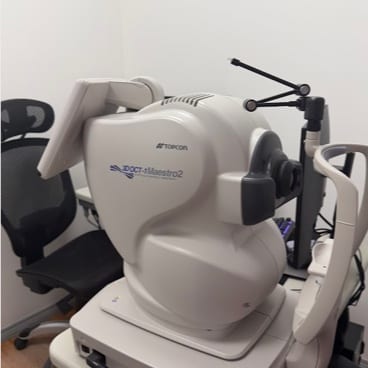
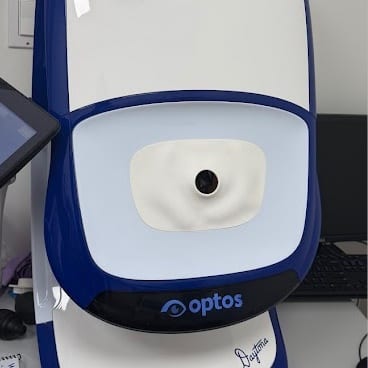
- An eye health evaluation lets your optometrist look at the retina and other structures inside your eye.
Book a comprehensive exam at least every 2 years if you’re between 20 and 64, and every year for school-aged kids. Regular exams matter even more with high myopia, which can raise the risk of retinal detachment, glaucoma, cataracts, and damage to the central retina.
Treatment Options for Myopia and Hyperopia
Your optometrist can recommend options based on your prescription and how you spend your day. Here’s what’s available:
- Glasses can correct both conditions, and some people with mild hyperopia only need them for reading or computer work.
- Contact lenses can give you an open field of view for sports and active days.
- Laser eye surgery may be an option for some adults.
- Myopia control methods, such as special glasses, soft contact lenses, overnight ortho-k lenses, or atropine eye drops, can help slow how quickly myopia progresses in children.
Glasses and contacts sharpen your vision by changing how light enters the eye. They don’t change the length of the eye itself, which is why reversing myopia with lenses alone isn’t possible. Give yourself a few days to adjust to any new prescription.
Everyday Habits That Support Healthy Vision
Some simple habits at home can make close work more comfortable for the whole family:
- Follow the 20-20-20 rule by looking at something 20 feet away for 20 seconds every 20 minutes.
- Encourage kids to spend at least 2 hours outdoors each day.
- Use steady, even lighting when you read or study.
- Sit up with good posture during homework and desk work.
Get Answers About Blurry Vision Near and Far
Blurry road signs and tired eyes after reading both deserve a closer look. At Calgary Trail Vision Centre, our optometrists test your vision at every distance and explain what we find in plain language.
We’ll walk you through the options that suit your eyes and your routine, whether that’s new glasses, contacts, or a plan to manage your child’s myopia. Book an eye exam for you or your family today.