Protecting Your Vision Starts with Early Detection
Did you know that many eye problems can develop with few or no symptoms?
About 1.5 million Canadians live with conditions impairing their vision, and an estimated 5.59 million more have sight-threatening diseases. Severe vision loss and blindness can often be prevented with timely detection and treatment. Yet only half of Canadians seek treatment when they experience symptoms.
Vision changes often appear only after damage has already occurred, which makes early detection and regular monitoring an important part of long-term eye health.
At Calgary Trail Vision Centre, we use detailed imaging and comprehensive eye exams to identify changes as early as possible and guide ongoing care based on your individual needs. Put your eye health first. Contact us to schedule your next appointment today.
Request Appointment
Prevention Protects Vision
Prevention is the best medicine, so we want to help you and your family implement healthy practices for your eyes. Regular eye exams allow us to personalize recommendations and treatment to maintain healthy vision for years to come.
General tips that benefit vision and eye health include:
- Exercising regularly
- Knowing your risk factors
- Maintaining a healthy diet
- Wearing UV protection
- Quitting smoking
Glaucoma Management
Glaucoma is a condition that damages the optic nerve, often without noticeable symptoms in the early stages. It is commonly associated with increased eye pressure, although it can also occur with normal pressure levels.
As it progresses, glaucoma can lead to permanent loss of peripheral vision if not detected and managed early. We monitor:
- Eye pressure
- Optic nerve health
- Visual field changes over time
Glaucoma cannot be cured, but management can slow progression to preserve sight. Methods for treating glaucoma include:
- Medication (oral or eye drops)
- Laser treatment
- Surgery (drainage tubes, implants, MIGS)
Regular testing plays an important role in identifying glaucoma early and slowing progression through ongoing management.
Helping You Manage AMD
Macular degeneration or age-related macular degeneration (AMD) is the leading cause of severe vision loss in adults over 50. The macula is the central part of the retina, a tissue essential for vision. When the macula deteriorates, the brain receives blurred or distorted images.
AMD has 2 forms: dry and wet. There is no cure for dry AMD, but diet, nutrition, and UV protection can help reduce the risk of progression to advanced wet AMD.
Wet AMD may be treated with:
- Anti-VEGF injections
- Laser photocoagulation
- Photodynamic therapy (PDT)
Regular eye exams are important for monitoring macular health and discussing preventative care options before vision is affected.
Cataract Exams and Management
A cataract occurs when the eye’s clear lens develops a cloudy spot, reducing how much light can reach the retina (light-detecting tissue). Cataracts develop slowly, causing increasingly blurred near and far vision.
Visual clarity can be restored by glasses or contact lenses in the early stages. Advanced-stage cataracts can severely impair vision, and patients may benefit from cataract surgery. Replacing the cloudy lens with an intraocular lens (IOL) implant can significantly improve vision.
A cataract exam can help us determine an appropriate plan for your visual comfort.
Examining Your Eye Health
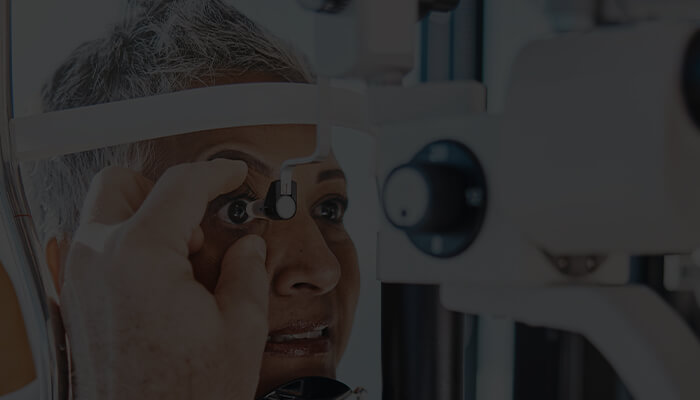
Most eye diseases and conditions are diagnosed through a combination of detailed assessments, including discussions about your daily vision experience and in-depth imaging of the eye’s internal structures.
Comprehensive eye exams play an important role in identifying early signs of disease so that appropriate monitoring or treatment can begin as soon as needed.
When changes are detected, additional testing may be recommended to better understand the condition and guide next steps in care. Regular eye exams can help detect common eye diseases and conditions such as cataracts, glaucoma, diabetic retinopathy, and macular degeneration.
Diabetic retinopathy occurs when the eye’s blood vessels weaken or grow irregularly due to high blood sugar levels. The blood vessels can leak or bleed, leading to severe vision loss or blindness.
People with diabetes may experience no early symptoms, but central vision can be distorted or blurred as excess fluid causes eye tissue swelling.
Management options include:
- Anti-VEGF injections
- Laser surgery
- Medication
- Vitrectomy
The risk of developing diabetic retinopathy increases the longer you have diabetes. Diabetic eye exams can help monitor changes in eye tissue to preserve vision.
The eye’s surface needs a consistent layer of nourishing tears (the tear film) to stay comfortable, clear, and clean. Dry eye is a disease resulting from tears evaporating too quickly or lacking essential components that the eye needs to stay healthy.
Dry eye can cause:
- Blurred vision
- Burning or scratchy eyes
- Corneal scarring
- Light sensitivity
- Redness or irritation
- Watery eyes
Dry eye treatment can help alleviate symptoms to improve visual quality and eye comfort.
Sudden flashes of light or an increase in floaters can sometimes indicate changes in the retina. These symptoms should be assessed promptly to rule out retinal tears or detachment.
We provide urgent evaluations when these symptoms occur to protect retinal health.
Nutrition can play a supportive role in managing conditions such as age-related macular degeneration and dry eye disease. We provide guidance on key vitamins and supplements that support long-term ocular health and overall visual function.
Diagnostic Technology We Offer
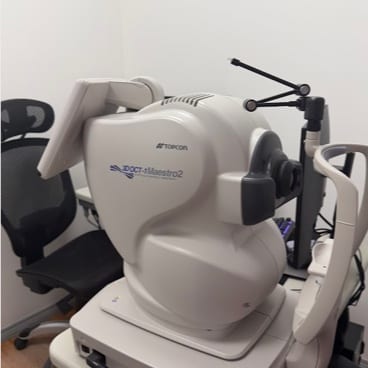
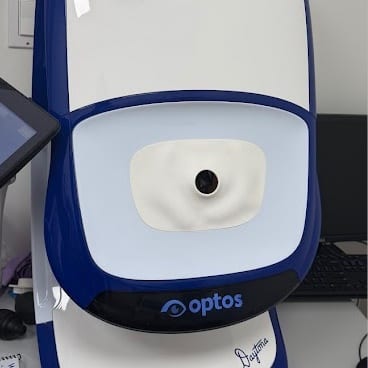
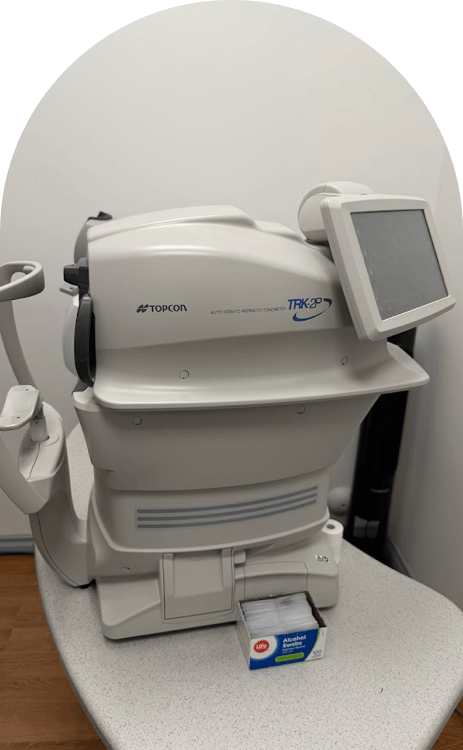
We rely on diagnostic imaging and testing to monitor eye health and detect disease early, including:
- OCT imaging for detailed retinal and optic nerve assessment
- optomap retinal imaging for wide-field retinal views
- Visual field testing for glaucoma and neurological screening
- Applanation and non-contact tonometry for eye pressure measurement
- Retinal photography for baseline comparison and progression tracking
Your visual health is our top priority. We invest in technology and continuing education to provide our patients with innovative, quality care. Scheduling regular eye exams is essential for monitoring your vision and health as they change over time.
We welcome you to reach out to discuss how we can help you and your family protect your vision. Contact Calgary Trail Vision Centre today.
Request AppointmentOur Eye Care Services







Dry Eyes Don’t Have to Slow You Down
Come Visit Us On Calgary Trail
Our practice in the Huntington Galleria is located a block south of the Calgary Trail Superstore. Find free parking conveniently outside our door.
Our Address
Contact Information
- Phone: 780-439-2085
- Email: eyeconx.lab@telus.net
Hours of Operation
Come Visit Us On Calgary Trail