Diabetes and Your Eyes: What You Need to Know
Diabetes can affect the eyes long before you notice any changes in your vision. In many cases, damage begins quietly in the small blood vessels of the retina, making regular eye exams an important part of ongoing diabetes care.
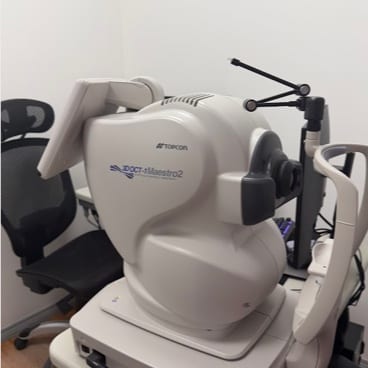
At Calgary Trail Vision Centre, we use detailed retinal imaging and clinical evaluation to monitor these changes over time. Our goal is to help you stay informed about your eye health and identify concerns as early as possible.
Be proactive with your vision care; contact us to schedule your next diabetic eye exam today.
Request Appointment

Why Diabetic Eye Exams Matter
Diabetes can increase the risk of several eye conditions that may develop without symptoms in the early stages. Routine exams help track changes in the retina and support timely care when needed.
We recommend a diabetic eye exam at least once per year. Some patients may require more frequent monitoring depending on their eye health and diabetes management.
What to Expect During Your Diabetic Eye Exam
Your diabetic eye exam may include:
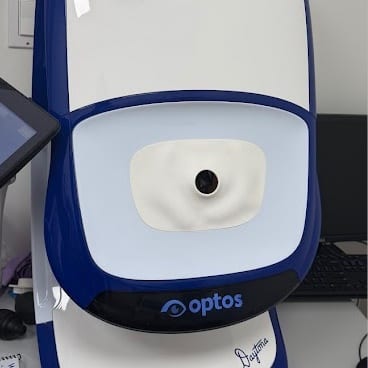
- Dilated retinal examination or optomap imaging
- OCT imaging to assess retinal and macular health
- Intraocular pressure testing
- Ongoing comparison of retinal changes over time
Your results are explained clearly, and when needed, we communicate with your family physician or diabetes care team to support coordinated care.ur team, who will provide personalized guidance.
How Does Diabetes Affect Vision?
Diabetes can lead to serious vision problems and even blindness, so it’s important to book an annual eye exam to check for any changes.
Visual issues caused by diabetes may include the conditions in the drop-down menu. Click each one to learn more.
Diabetic retinopathy occurs when high blood sugar damages the tiny blood vessels in the retina.
In the early stages, there may be no symptoms at all. As it progresses, the blood vessels can swell, leak, or close off completely, affecting how the retina functions.
Early signs often include mild blurry vision, but more advanced stages can lead to permanent vision loss if not detected and managed in time. Regular monitoring plays a key role in slowing progression.
Diabetic macular edema develops when fluid builds up in the macula, the part of the retina responsible for central vision.
Because the macula is responsible for tasks such as reading, driving, and recognizing faces, swelling in this area can significantly impact daily life.
This condition can develop at any stage of diabetic retinopathy and may progress without noticeable symptoms at first, which is why detailed retinal imaging is so important.
Fluctuations in blood sugar can temporarily affect how clearly you see. Changes in fluid levels inside the eye may cause intermittent blurry vision that improves as blood sugar stabilizes.
Even when vision changes seem temporary, a full eye exam is still important to rule out underlying retinal changes.
Book Your Diabetic Eye Exam Today
Diabetic eye disease is one of the leading causes of preventable vision loss. With regular exams and early detection, many changes can be monitored and managed before they affect vision significantly.
Book your diabetic eye exam today and take a proactive step in protecting your long-term vision.
Request AppointmentOur Eye Care Services







Dry Eyes Don’t Have to Slow You Down
Come Visit Us On Calgary Trail
Our practice in the Huntington Galleria is located a block south of the Calgary Trail Superstore. Find free parking conveniently outside our door.
Our Address
Contact Information
- Phone: 780-439-2085
- Email: eyeconx.lab@telus.net
Hours of Operation
Come Visit Us On Calgary Trail