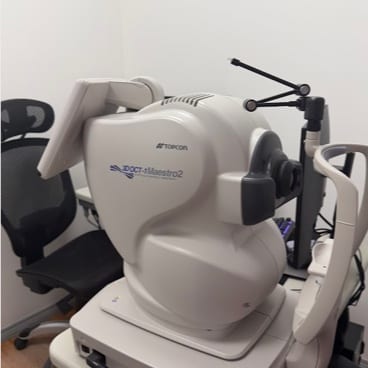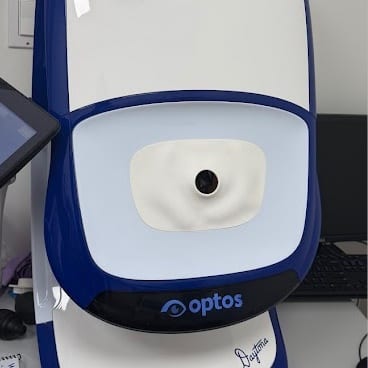

Tiny oil glands run along the edge of your upper and lower eyelids. Most people don’t think about them until their eyes start feeling dry and gritty by mid-afternoon. Those glands are called meibomian glands, and they clog more often than you’d expect. An eye exam can confirm whether they’re behind the discomfort.
To unclog meibomian glands, you can warm the eyelids with a compress, massage the oil out gently, and turn to in-office treatments like iLux when home care isn’t enough.
What Are Meibomian Glands?
Meibomian glands release a thin layer of oil onto the surface of your eye every time you blink. That oil floats on top of your tears and slows how fast they evaporate.
Dozens of glands sit inside each lid, opening in a neat row just behind your lashes.
When they’re working properly, you can get through a long day of reading or screen time without noticing your eyes at all.
Signs Your Meibomian Glands Are Clogged
Oil that hardens inside the gland can’t reach the tear film, so your tears break apart faster than they should. The symptoms of dry eye usually follow. Watch for these signs:
- A gritty feeling, like sand caught under the lid
- Burning that builds as the day goes on
- Red, tender lid margins
- Watery eyes, which happens when a dry surface triggers a flood of reflex tears
- Blurry vision that clears for a second after you blink
Recurring styes can point back to the same problem, since a plugged opening gives bacteria somewhere to settle.
Common Reasons for Blockage
Blockages build slowly, and more than one thing is usually involved.
Age is part of it. Oil thickens over the years, and hormonal changes around menopause can add to the dryness.
Screens matter too. You blink less when you’re locked into a monitor, so less oil gets pushed out, and dry indoor air pulls moisture off the surface faster.
Then there’s whatever sits on the lid itself. Leftover mascara, liner along the waterline, and skin oil can crust over the gland openings. Rosacea, years of contact lens wear, and certain medications also change how the oil flows.
Home Remedies to Unclog Meibomian Glands
Mild cases often respond to consistent home care. A few small habits can loosen the oil and help your eyes feel better.
Warm Compresses
Heat softens the hardened oil so it can move again. Hold a warm compress over closed eyes for 10 to 15 minutes, then repeat twice a day for noticeable results.
Gentle Lid Massage and Hygiene
Massage right after the heat, while the oil is still soft. Use a clean fingertip and roll gently from the base of the lid toward the lash line, staying off the eye itself.
Clean the lid margins afterward with a dedicated lid cleanser or a hypochlorous acid spray. And take your eye makeup off every night, since anything left behind settles right over the openings.

Omega-3s and Artificial Tears
Omega-3s from fish or supplements may improve the quality of the oil your glands produce, and other vitamins for dry eyes can support the tear film too. Check with your optometrist first if you take blood thinners.
Preservative-free drops add moisture through the day. If necessary, a thicker ointment before bed can ease dryness overnight.
When Home Care Isn’t Enough
Sometimes home care isn’t enough, and that’s where a visit to the optometrist helps. Several in-office options can clear glands that stay blocked.
iLux and In-Office Options
The iLux treatment warms your eyelids and gently clears the blocked glands in one visit. After treatment, your optometrist can also perform gland expression, which presses the trapped oil out so your tears stay stable again.
IPL and Radiofrequency Therapies
Intense pulsed light, or IPL, targets inflammation around the glands. Radiofrequency treatment is similar, using gentle heat to melt hardened oil so it flows more freely.
Prescription Eye Drops
When inflammation keeps returning, your optometrist may suggest prescription drops. Cyclosporine calms surface inflammation over several months, while lifitegrast blocks part of the pathway that keeps the irritation going.
How to Prevent Clogged Glands
Once your glands feel better, a few habits can help keep them that way. Small changes to your daily routine make a real difference over the long run.
Try these steps:
- Follow the 20-20-20 rule, looking at something 20 feet away for 20 seconds every 20 minutes.
- Run a humidifier in dry rooms to keep moisture in the air.
- Book regular eye exams so any changes are noticed early.
- Wash off eye makeup before bed every night.
Give Your Eyes a Chance to Clear
Blocked glands rarely open up on their own, and the longer they stay plugged, the harder they are to reopen. Gland imaging and a full dry eye assessment show what’s happening under the lid.
Calgary Trail Vision Centre can examine your glands and build a plan around what your eyes need. Book an appointment and let an optometrist take a proper look at your lids.